
- Home
- Ticagtel 90
Ticagtel 90
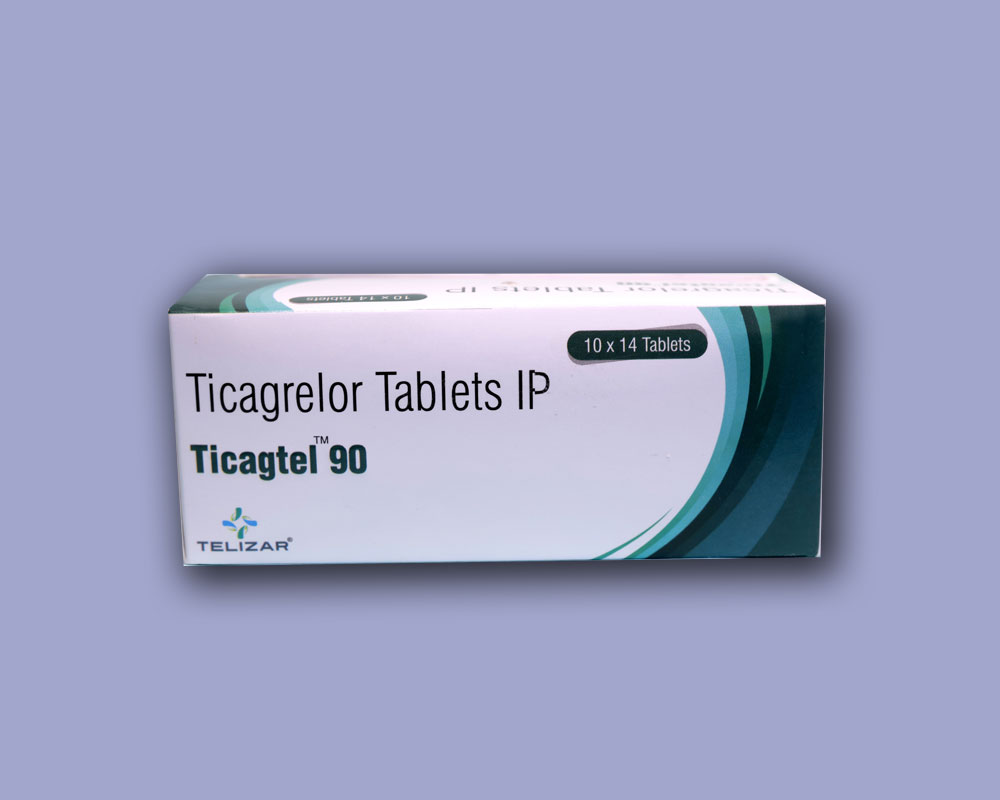
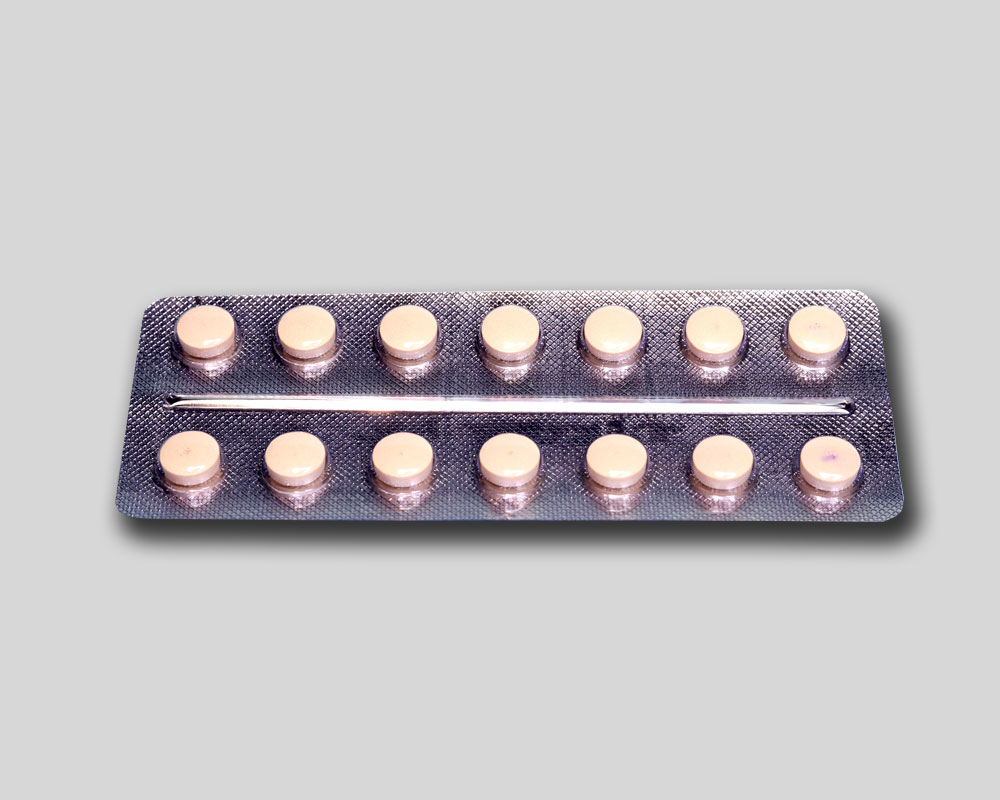
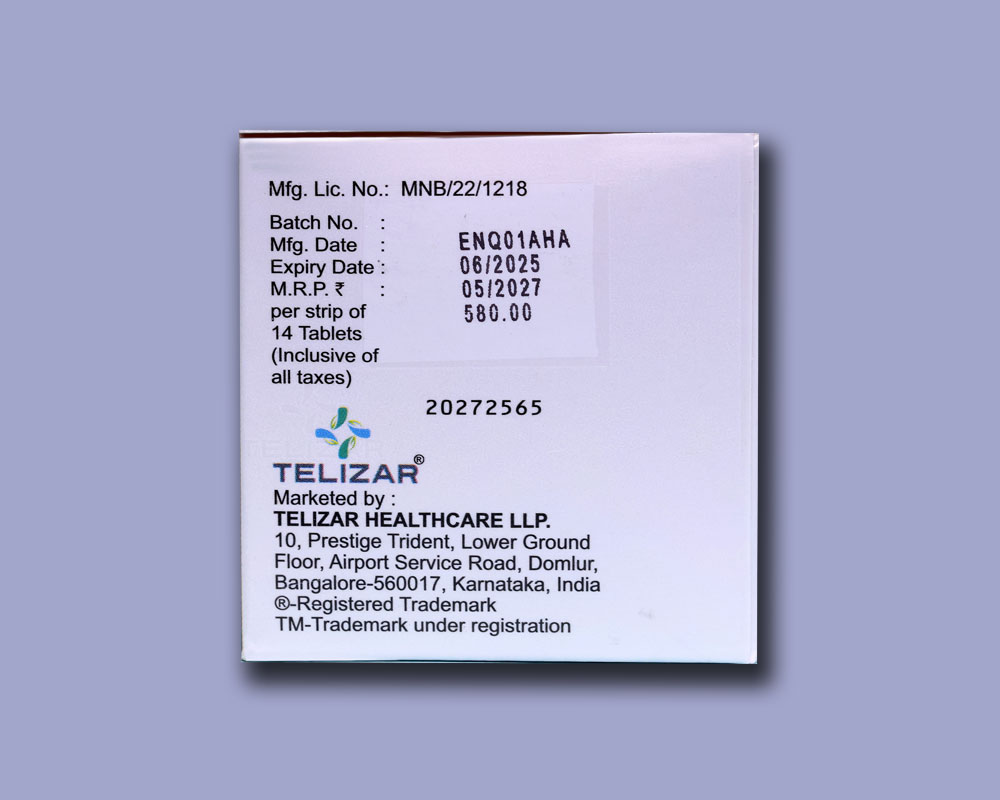
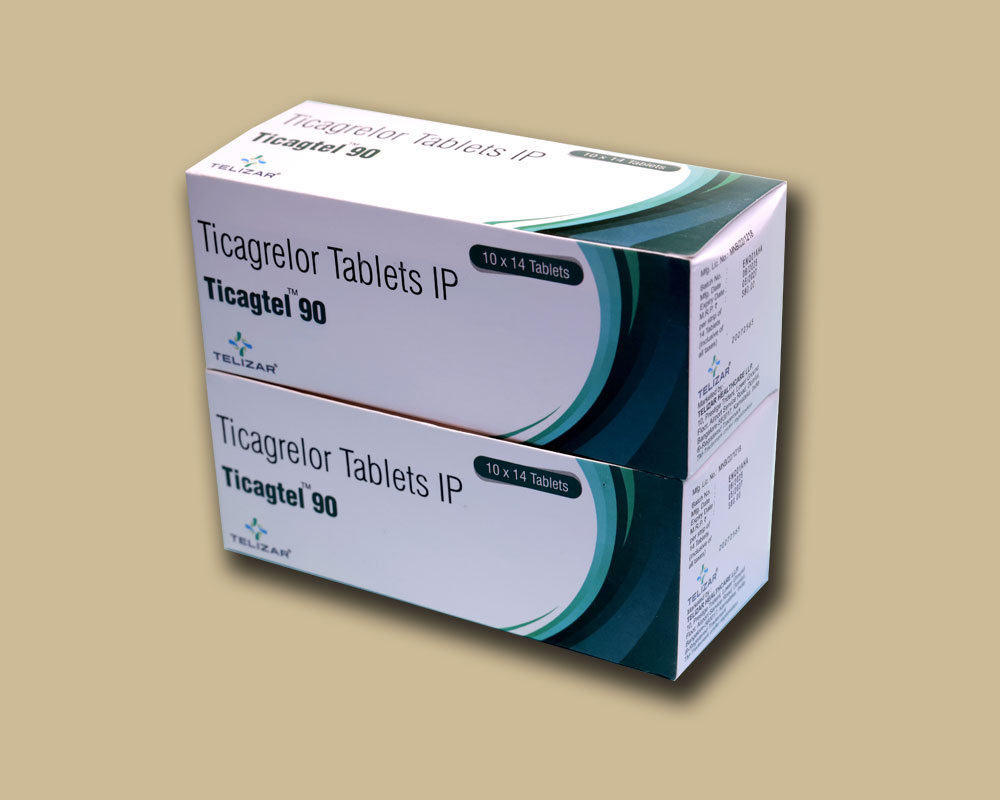
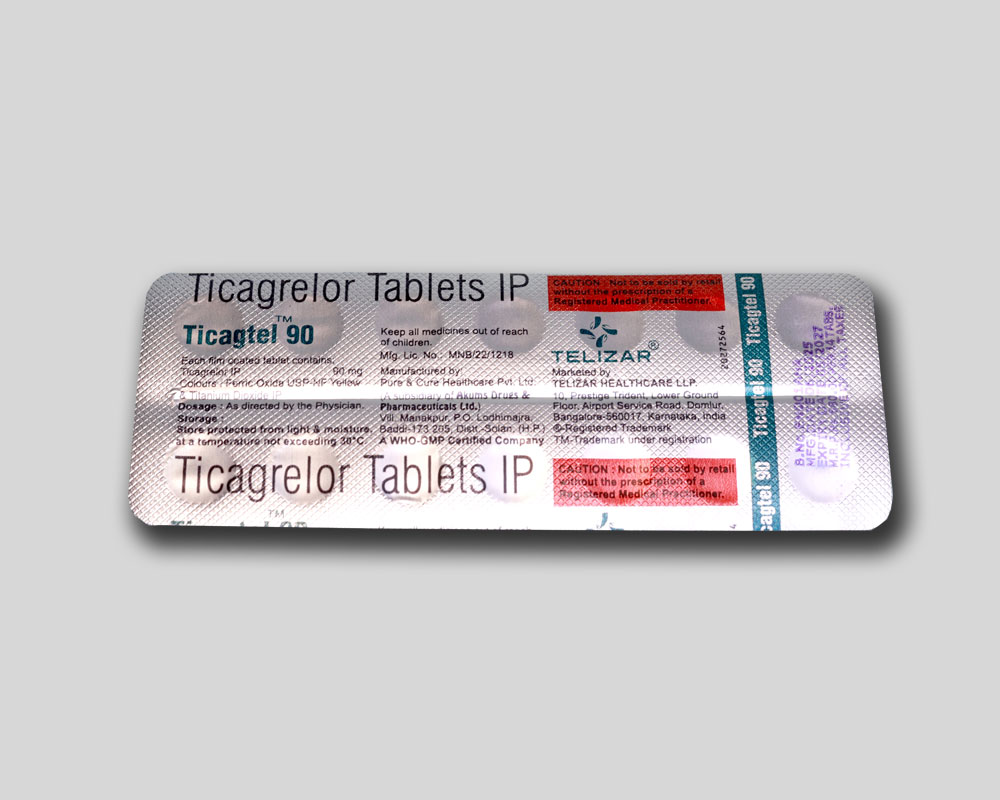
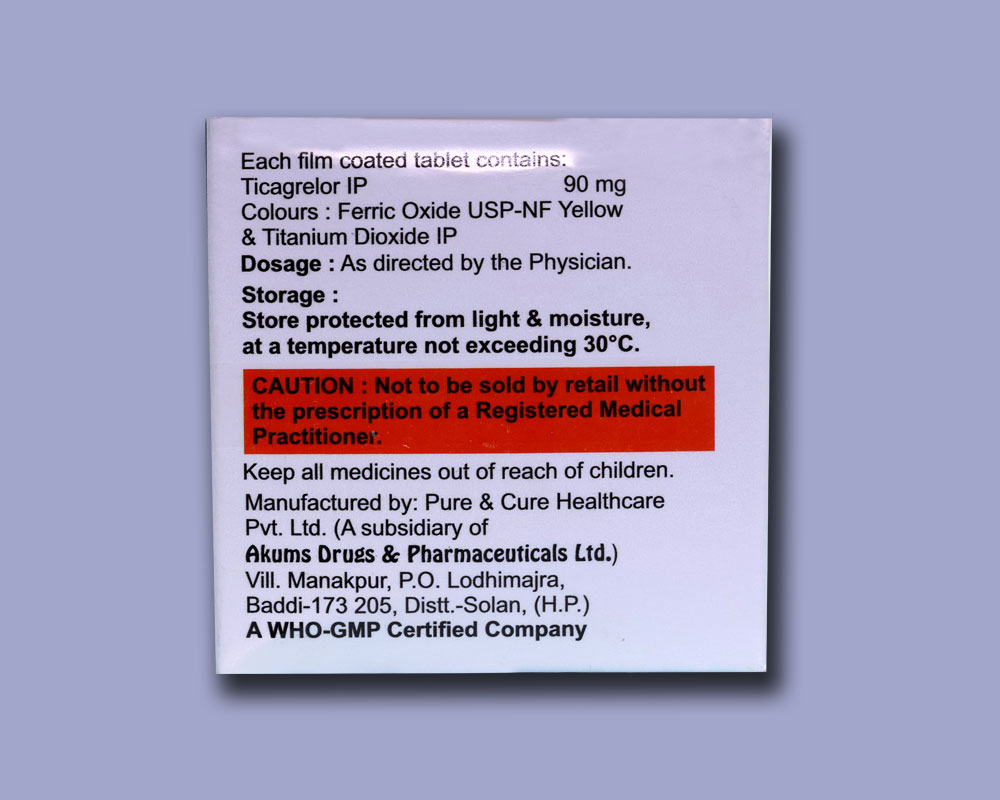
Ticagtel 90 Tablet
Ticagtel 90 Tablet contains Ticagrelor IP 90 mg, an antiplatelet medicine used to reduce the risk of heart attack and stroke. It prevents blood clot formation and supports healthy blood flow. Each film-coated tablet includes approved colors for safe and effective use.
Ticagrelor Tablets IP | TM Ticagtel 90
COMPOSITION
Each film coated tablet contains:
Ticagrelor IP 90 mg
Colours: Ferric Oxide USP-NF Yellow & Titanium Dioxide IP
Each film coated tablet contains:
Ticagrelor IP 90 mg
PHARMACEUTICAL FORM
Film Coated Tablets
THERAPEUTIC INDICATION
Should be added/updated as per DRA TEAM…
Ticagrelor 60 mg Tablets
Indicated for the prevention of thrombotic events (cardiovascular death, myocardial infarction and stroke) in patients with a history of myocardial infarction (MI occurred at least one year ago) and a high risk of developing a thrombotic event.
Ticagrelor 90 mg Tablets
Indicated for the prevention of thrombotic events (cardiovascular death, myocardial infarction and stroke) in patients with Acute coronary syndromes (ACS) unstable angina, non ST elevation Myocardial infarction (STEMI) including patients managed medically, and those who are managed with percutaneous those who are managed with percutaneous coronary intervention (PCI) or coronary artery by-pass grafting (CABG).
DOSAGE AND ADMINISTRATION
Posology
It must be taken in a dose and duration as directed by the Physician.
Acute Coronary Syndrome or a History of Myocardial Infarction
Initiate treatment with a 180 mg loading dose of Ticagrelor. Administer 90 mg of Ticagrelor twice daily during the first year after an ACS event. After one year, administer 60 mg of Ticagrelor twice daily.
Use Ticagrelor with a daily maintenance dose of aspirin of 75 to 100 mg.
Coronary Artery Disease but No Prior Stroke or Myocardial Infarction
Administer 60 mg of Ticagrelor twice daily. For all patients with ACS, see Dosage and Administration as given above. Use Ticagrelor with a daily maintenance dose of aspirin of 75 to 100 mg.
Acute Ischemic Stroke or Transient Ischemic Attack (TIA)
Initiate treatment with a 180 mg loading dose of Ticagrelor and then continue with 90 mg twice daily for up to 30 days. The treatment effect accrued early in the course of therapy. Use Ticagrelor with a loading dose of aspirin (300 to 325 mg) and a daily maintenance dose of aspirin of 75 to 100 mg.
Method of Administration: For oral use only.
Ticagrelor can be administered with or without food.
For patients who are unable to swallow the tablet(s) whole, the tablets can be crushed to a fine powder and mixed in half a glass of water and drunk immediately. The glass should be rinsed with a further half glass of water and the contents drunk. The mixture can also be administered via a nasogastric tube (CH8 or greater). It is important to flush the nasogastric tube through with water after administration of the mixture.
Do not administer Ticagrelor with another oral P2Y12 platelet inhibitor.
CONTRAINDICATIONS
Ticagrelor tablet is contraindicated in patients with hypersensitivity (e.g., angioedema) to ticagrelor or any component of the product.
History of Intracranial Hemorrhage: Ticagrelor is contraindicated in patients with a history of intracranial hemorrhage (ICH) because of a high risk of recurrent ICH in this population.
Active Bleeding: Ticagrelor is contraindicated in patients with active pathological bleeding such as peptic ulcer or intracranial hemorrhage.
SPECIAL WARNINGS AND PRECAUTIONS FOR USE
Warning
A). Bleeding Risk
Ticagrelor, like other antiplatelet agents, can cause significant, sometimes fatal bleeding.
Do not use Ticagrelor in patients with active pathological bleeding or a history of intracranial hemorrhage. Do not start Ticagrelor in patients undergoing urgent coronary artery bypass graft surgery (CABG).
If possible, manage bleeding without discontinuing Ticagrelor. Stopping Ticagrelor increases the risk of subsequent cardiovascular events.
B). Aspirin dose and Ticagrelor effectiveness in patients with ACS
Maintenance doses of aspirin above 100 mg daily reduce the effectiveness of Ticagrelor and should be avoided.
Risk of Bleeding
Drugs that inhibit platelet function including Ticagrelor increase the risk of bleeding.
Patients treated for acute ischemic stroke or TIA:
Patients at NIHSS >5 and patients receiving thrombolysis were excluded from THALES and use of Ticagrelor in such patients is not recommended.
Concomitant Aspirin Maintenance Dose for Patients Being Treated for ACS
In the management of patients with ACS, the use of Ticagrelor with maintenance doses of aspirin above 100 mg decreased the effectiveness of Ticagrelor. In such patients, use a maintenance dose of aspirin of 75-100 mg.
Dyspnea
In clinical trials, about 14% (PLATO and PEGASUS) to 21% (THEMIS) of patients treated with Ticagrelor developed dyspnea. Dyspnea was usually mild to moderate in intensity and often resolved during continued treatment but led to study drug discontinuation in 0.9% (PLATO), 1.0% (THALES), 4.3% (PEGASUS), and 6.9% (THEMIS) of patients.
In a substudy of PLATO, 199 subjects underwent pulmonary function testing irrespective of whether they reported dyspnea. There was no indication of an adverse effect on pulmonary function assessed after one month or after at least 6 months of chronic treatment. If a patient develops new, prolonged, or worsened dyspnea that is determined to be related to Ticagrelor, no specific treatment is required; continue Ticagrelor without interruption if possible. In the case of intolerable dyspnea requiring discontinuation of Ticagrelor, consider prescribing another antiplatelet agent.
Discontinuation of Ticagrelor in Patients Treated for Coronary Artery Disease
Discontinuation of Ticagrelor will increase the risk of myocardial infarction, stroke, and death in patients being treated for coronary artery disease. If Ticagrelor must be temporarily discontinued (e.g., to treat bleeding or for significant surgery), restart it as soon as possible. When possible, interrupt therapy with Ticagrelor for five days prior to surgery that has a major risk of bleeding. Resume Ticagrelor as soon as hemostasis is achieved.
Bradyarrhythmias
Ticagrelor can cause ventricular pauses. Bradyarrhythmias including AV block have been reported in the postmarketing setting. Patients with a history of sick sinus syndrome, 2nd or 3rd degree AV block or bradycardia-related syncope not protected by a pacemaker were excluded from clinical studies and may be at increased risk of developing bradyarrhythmias with ticagrelor.
Severe Hepatic Impairment
Avoid use of Ticagrelor in patients with severe hepatic impairment. Severe hepatic impairment is likely to increase serum concentration of ticagrelor. There are no studies of Ticagrelor patients with severe hepatic impairment.
Laboratory Test Interferences
False negative functional tests for Heparin Induced Thrombocytopenia (HIT):
Ticagrelor has been reported to cause false negative results in platelet functional tests (to include, but may not be limited to, the heparin-induced platelet aggregation (HIPA) assay) for patients with Heparin Induced
Thrombocytopenia (HIT).
This is related to inhibition of the P2Y12-receptor on the healthy donor platelets in the test by ticagrelor in the affected patient’s serum/plasma. Information on concomitant treatment with Ticagrelor is required for interpretation of HIT functional tests. Based on the mechanism of Ticagrelor interference, Ticagrelor is not expected to impact PF4 antibody testing for HIT.
DRUG INTERACTIONS
Strong CYP3A Inhibitors
Strong CYP3A inhibitors substantially increase ticagrelor exposure and so increase the risk of dyspnea, bleeding, and other adverse events. Avoid use of strong inhibitors of CYP3A (e.g., ketoconazole, itraconazole, voriconazole, clarithromycin, nefazodone, ritonavir, saquinavir, nelfinavir, indinavir, atazanavir and telithromycin).
Strong CYP3A Inducers
Strong CYP3A inducers substantially reduce ticagrelor exposure and so decrease the efficacy of ticagrelor. Avoid use with strong inducers of CYP3A (e.g., rifampin, phenytoin, carbamazepine and phenobarbital).
Aspirin
Use of Ticagrelor with aspirin maintenance doses above 100 mg reduced the effectiveness of Ticagrelor.
Opioids
As with other oral P2Y12 inhibitors, co-administration of opioid agonists delay and reduce the absorption of ticagrelor and its active metabolite presumably because of slowed gastric emptying. Consider the use of a
parenteral anti-platelet agent in acute coronary syndrome patients requiring co-administration of morphine or other opioid agonists.
Simvastatin, Lovastatin
Ticagrelor increases serum concentrations of simvastatin and lovastatin because these drugs are metabolized by CYP3A4. Avoid simvastatin and lovastatin doses greater than 40 mg.
Digoxin
Ticagrelor inhibits the P-glycoprotein transporter; monitor digoxin levels with initiation of or change in Ticagrelor therapy.
USE IN SPECIAL POPULATIONS
Pregnancy
There are no or limited amount of data from the use of ticagrelor in pregnant women. Studies in animals have shown reproductive toxicity. Ticagrelor is not recommended during pregnancy.
Women of childbearing potential: Women of childbearing potential should use appropriate contraceptive measures to avoid pregnancy during ticagrelor therapy.
Fertility: Ticagrelor had no effect on male or female fertility in animals.
Breast-feeding
Available pharmacodynamic/toxicological data in animals have shown excretion of ticagrelor and its active metabolites in milk. A risk to newborns/infants cannot be excluded. A decision must be made whether to discontinue breast-feeding or to discontinue/abstain from ticagrelor therapy taking into account the benefit of breast-feeding for the child and the benefit of therapy for the woman.
Pediatric Use
The safety and effectiveness of Ticagrelor in pediatric patients have not been established.
Geriatric Use
About half of the patients in PLATO, PEGASUS, THEMIS, and THALES were ≥65 years of age and at least 15% were 275 years of age. No overall differences in safety or effectiveness were observed between elderly and younger patients.
Hepatic Impairment
Ticagrelor is metabolized by the liver and impaired hepatic function can increase risks for bleeding and other adverse events. Avoid use of Ticagrelor in patients with severe hepatic impairment. There is limited experience with Ticagrelor in patients with moderate hepatic impairment; consider the risks and benefits of treatment, noting the probable increase in exposure to ticagrelor. No dosage adjustment is needed in patients with mild hepatic impairment.
Renal Impairment
No dosage adjustment is needed in patients with renal impairment.
Patients with End-Stage Renal Disease on dialysis: Clinical efficacy and safety studies with Ticagrelor did not enroll patients with end-stage renal disease (ESRD) on dialysis. In patients with ESRD maintained on intermittent hemodialysis, no clinically significant difference in concentrations of ticagrelor and its metabolite and platelet inhibition are expected compared to those observed in patients with normal renal function. It is not known whether these concentrations will lead to similar efficacy and safety in patients with ESRD on dialysis as were seen in PLATO, PEGASUS, THEMIS and THALES.
EFFECTS ON ABILITY TO DRIVE AND USE MACHINES
Ticagrelor has no or negligible influence on the ability to drive and use machines. During treatment with ticagrelor, dizziness and confusion have been reported. Therefore, patients who experience these symptoms should be cautious while driving or using machines.
UNDESIRABLE EFFECTS
The following adverse reacons are also discussed elsewhere in the labeling:
Bleeding (see Warnings and Precauons).
Dyspnea (see Warnings and Precauons).
Summary of the safety profile
The safety profile of ticagrelor has been evaluated in two large phase 3 outcome trials (PLATO and PEGASUS) including more than 39,000 patients.
In PLATO, patients on ticagrelor had a higher incidence of discontinuation due to adverse events than clopidogrel (7.4% vs. 5.4%). In PEGASUS, patients on ticagrelor had a higher incidence of discontinuation due to adverse events compared to ASA therapy alone (16.1% for ticagrelor 60 mg with ASA vs. 8.5% for ASA therapy alone). The most commonly reported adverse reactions in patients treated with ticagrelor were bleeding and dyspnoea.
Tabulated list of adverse reactions
The following adverse reactions have been identified following studies or have been reported in post-marketing experience with ticagrelor (Table 1). Adverse reactions are listed by MedDRA System Organ Class (SOC). Within each SOC the adverse reactions are ranked by frequency category. Frequency categories are defined according to the following conventions: Very common (≥1/10), common (≥1/100 to <1/10), uncommon (≥1/1,000 to <1/100), rare (≥1/10,000 to <1/1,000), very rare (<1/10,000), not known (cannot be estimated from the available data).
Table 1-Adverse reactions by frequency and system organ class (SOC):
SOC | Very common | Common | Uncommon | Not known |
Neoplasms benign, malignant and unspecified (including cysts and polyps) |
| Tumour bleedings* |
|
|
Blood and lymphatic system disorders | Blood disorder bleedings* |
|
| Thrombotic Thrombocytopenic Purpura* |
Immune system disorders |
|
| Hypersensitivity including angioedema* |
|
Metabolism and nutrition disorders | Hyperuricaemia* | Gout/Gouty Arthritis* |
|
|
Psychiatric disorders |
|
| Confusion |
|
Nervous system disorders |
| Dizziness, Syncope, Headache | Intracranial haemorrhage |
|
Eye disorders |
|
| Eye haemorrhage* |
|
Ear and labyrinth disorders |
| Vertigo | Ear haemorrhage |
|
Vascular disorders |
| Hypotension |
|
|
Respiratory, thoracic and mediastinal disorders | Dyspnoea | Respiratory system bleedings* |
|
|
Gastrointestinal disorders |
| Gastrointestinal haemorrhage*, Diarrhoea, Nausea, Dyspepsia, Constipation | Retroperitoneal haemorrhage |
|
Skin and subcutaneous tissue disorders |
| Subcutaneous or dermal bleeding*, Rash, Pruritus |
|
|
Musculoskeletal connective tissue and bone disorders |
|
| Muscular bleedings* |
|
Renal and urinary disorders |
| Urinary tract bleeding* |
|
|
Reproductive system and breast disorders |
|
| Reproductive system bleedings* |
|
Investigations |
| Blood creatinine increased* |
|
|
Injury, poisoning and procedural complications |
| Post procedural haemorrhage, Traumatic bleedings* |
|
|
a e.g. bleeding from bladder cancer, gastric cancer, colon cancer
e.g. increased tendency to bruise, spontaneous haematoma, haemorrhagic diathesis
‘Identified in post-marketing experience
Frequencies derived from lab observations (Uric acid increases to >upper limit of normal from baseline below or within reference range. Creatinine increases of >50% from baseline.) and not crude adverse event
report frequency.
a
“e.g. conjunctival, retinal, intraocular bleeding
b
‘e.g. epistaxis, haemoptysis
c
“e.g. gingival bleeding, rectal haemorrhage, gastric ulcer haemorrhage
d
e.g. ecchymosis, skin haemorrhage, petechiae
e
e.g. haemarthrosis, muscle haemorrhage
f
e.g. haematuria, cystitis haemorrhagic
g
e.g. vaginal haemorrhage, haematospermia, postmenopausal haemorrhage
h
‘e.g. contusion, traumatic haematoma, traumatic haemorrhage
i
“i.e. spontaneous, procedure related or traumatic intracranial haemorrhage.
Dyspnoea
Dyspnoea, a sensation of breathlessness, is reported by patients treated with ticagrelor. In PLATO, dyspnoea adverse events (AEs) (dyspnoea, dyspnoea at rest, dyspnoea exertional, dyspnoea paroxysmal nocturnal and nocturnal dyspnoea), when combined, was reported by 13.8% of patients treated with ticagrelor and by 7.8% of patients treated with clopidogrel. In 2.2% of patients taking ticagrelor and by 0.6% taking clopidogrel investigators considered the dyspnoea causally related to treatment in the PLATO study and few were serious (0.14% ticagrelor; 0.02% clopidogrel). Most reported symptoms of dyspnoea were mild to moderate in intensity, and most were reported as a single episode early after starting treatment.
Compared with clopidogrel, patients with asthma/COPD treated with ticagrelor may have an increased risk of experiencing non-serious dyspnoea (3.29% ticagrelor versus 0.53% clopidogrel) and serious dyspnoea (0.38% ticagrelor versus 0.00% clopidogrel). In absolute terms, this risk was higher than in the overall PLATO population. Ticagrelor should be used with caution in patients with history of asthma and/or COPD. About 30% of episodes resolved within 7 days. PLATO included patients with baseline congestive heart failure, COPD or asthma; these patients, and the elderly, were more likely to report dyspnoea. For ticagrelor, 0.9% of patients discontinued study drug because of dyspnoea compared with 0.1% taking clopidogrel. The higher incidence of dyspnoea with ticagrelor is not associated with new or worsening heart or lung disease.
Ticagrelor does not affect tests of pulmonary function. In PEGASUS, dyspnoea was reported in 14.2% of patients taking ticagrelor 60 mg twice daily and in 5.5% of patients taking ASA alone. As in PLATO, most reported dyspnoea was mild to moderate in intensity. Patients who reported dyspnoea tended to be older and more frequently had dyspnoea, COPD or asthma at baseline.
Investigations
Uric acid elevations: In PLATO, serum uric acid increased to more than upper limit of normal in 22% of patients receiving ticagrelor compared to 13% of patients receiving clopidogrel. The corresponding numbers in PEGASUS were 9.1%, 8.8% and 5.5% for ticagrelor 90 mg, 60 mg and placebo, respectively. Mean serum uric acid increased approximately 15% with ticagrelor compared to approximately 7.5% with clopidogrel and after treatment was stopped, decreased to approximately 7% on ticagrelor but with no decrease observed for clopidogrel. In PEGASUS, a reversible increase in mean serum uric acid levels of 6.3% and 5.6% was found for ticagrelor 90 mg and 60 mg, respectively, compared to a 1.5% decrease in the placebo group. In PLATO, the frequency of gouty arthritis was 0.2% for ticagrelor vs. 0.1% for clopidogrel. The corresponding numbers for gout/gouty arthritis in PEGASUS were 1.6%, 1.5% and 1.1% for ticagrelor 90 mg, 60 mg and placebo, respectively.
Postmarketing Experience
The following adverse reactions have been identified during post-approval use of Ticagrelor. Because these reactions are reported voluntarily from a population of an unknown size, it is not always possible to reliably estimate their frequency or establish a causal relationship to drug exposure.
Blood and lymphatic system disorders: Thrombotic Thrombocytopenic Purpura (TTP) has been rarely reported with the use of Ticagrelor. TTP is a serious condition which can occur after a brief exposure (<2 weeks) and requires prompt treatment.
Immune system disorders: Hypersensitivity reactions including angioedema (see Contraindications).
Respiratory Disorders: Central sleep apnea, Cheyne-Stokes respiration.
Skin and subcutaneous tissue disorders: Rash.
OVERDOSE
There is currently no known treatment to reverse the effects of Ticagrelor, and ticagrelor is not dialyzable. Treatment of overdose should follow local standard medical practice. Bleeding is the expected pharmacologic effect of overdosing. If bleeding occurs, appropriate supportive measures should be taken.
Platelet transfusion did not reverse the antiplatelet effect of Ticagrelor in healthy volunteers and is unlikely to be of clinical benefit in patients with bleeding. Other effects of overdose may include gastrointestinal effects (nausea, vomiting, and diarrhea) or ventricular pauses. Monitor the ECG.
PHARMACOLOGICAL PROPERTIES
Pharmacodynamic properties
Mechanism of action
Ticagrelor is a member of the chemical class cyclopentyltriazolopyrimidines (CPTP), which is an oral, direct acting, selective and reversibly binding P2Y12 receptor antagonist that prevents ADP-mediated P2Y12 dependent platelet activation and aggregation. Ticagrelor does not prevent ADP binding but when bound to the P2Y12 receptor prevents ADP-induced signal transduction. Since platelets participate in the initiation and/or evolution of thrombotic complications of atherosclerotic disease, inhibition of platelet function has been shown to reduce the risk of CV events such as death, MI or stroke.
Ticagrelor also increases local endogenous adenosine levels by inhibiting the equilibrative nucleoside transporter-1 (ENT-1).
Ticagrelor has been documented to augment the following adenosine-induced effects in healthy subjects and in patients with ACS: vasodilation (measured by coronary blood flow increases in healthy volunteers and ACS patients; headache), inhibition of platelet function (in human whole blood in vitro) and dyspnoea. However, a link between the observed increases in adenosine and clinical outcomes (e.g. morbidity-mortality) has not been clearly elucidated. Pharmacodynamic effects
Onset of action: In patients with stable coronary artery disease (CAD) on ASA, ticagrelor demonstrates a rapid onset of pharmacological effect as demonstrated by a mean inhibition of platelet aggregation (IPA) for ticagrelor at 0.5 hours after 180 mg loading dose of about 41%, with the maximum IPA effect of 89% by 2-4 hours post dose, and maintained between 2-8 hours. 90% of patients had final extent IPA>70% by 2 hours post dose.
Offset of action: If a CABG procedure is planned, ticagrelor bleeding risk is increased compared to clopidogrel when discontinued within less than 96 hours prior to procedure.
Switching data: Switching from clopidogrel 75 mg to ticagrelor 90 mg twice daily results in an absolute IPA increase of 26.4% and switching from ticagrelor to clopidogrel results in an absolute IPA decrease of 24.5%.
Patients can be switched from clopidogrel to ticagrelor without any interruption of antiplatelet effect.
Pharmacokinetic properties
Ticagrelor demonstrates dose proportional pharmacokinetics, which are similar in patients and healthy volunteers.
Absorption
Ticagrelor can be taken with or without food. Absorption of ticagrelor occurs with a median tmax of 1.5 h (range 1.0-4.0). The formation of the major circulating metabolite AR-C124910XX (active) from ticagrelor occurs with a median tmax of 2.5 h (range 1.5-5.0).
The mean absolute bioavailability of ticagrelor is about 36% (range 30%-42%). Ingestion of a high-fat meal had no effect on ticagrelor Cmax, but resulted in a 21% increase in AUC. The Cmax of its major metabolite was decreased by 22% with no change in AUC.
Ticagrelor as crushed tablets mixed in water, given orally or administered through a nasogastric tube into the stomach, is bioequivalent to whole tablets (AUC and Cmax within 80-125% for ticagrelor and AR-C124910XX) with a median tmax of 1.0 hour (range 1.0-4.0) for ticagrelor and 2.0 hours (range 1.0-8.0) for AR-C124910XX.
Distribution
The steady state volume of distribution of ticagrelor is 88 L. Ticagrelor and the active metabolite are extensively bound to human plasma proteins (>99%).
Metabolism
CYP3A4 is the major enzyme responsible for ticagrelor metabolism and the formation of its major active metabolite. Ticagrelor and its major active metabolite are weak P-glycoprotein substrates and inhibitors. The systemic exposure to the active metabolite is approximately 30-40% of the exposure of ticagrelor.
Excretion
The primary route of ticagrelor elimination is hepatic metabolism. When radiolabeled ticagrelor is administered, the mean recovery of radioactivity is approximately 84% (58% in feces, 26% in urine). Recoveries of ticagrelor and the active metabolite in urine were both less than 1% of the dose. The primary route of elimination for the major metabolite of ticagrelor is most likely to be biliary secretion. The mean t1/2 is approximately 7 hours for ticagrelor and 9 hours for the active metabolite.
INCOMPATIBILITIES
Not applicable.
PACKAGING INFORMATION
as per Carton
STORAGE AND HANDLING INSTRUCTION
Store protected from light & moisture, at a temperature not exceeding 30°C.
Keep all medicines out of reach of children
Manufactured by:
Pure & Cure Healthcare Pvt. Ltd.
(A subsidiary of Akums Drugs & Pharmaceuticals Ltd.)
Plot No. 26A, 27-30, Sector-8A, I.I.E., SIDCUL, Ranipur, Haridwar-249 403, Uttarakhand.
A WHO-GMP Certified Company
Marketed by:
TELIZAR HEALTHCARE LLP.
10, Prestige Trident, Lower Ground Floor, Airport Service Road, Domlur, Bangalore-560017, Karnataka, India
Registered Trademark – TM-Trademark under registration
Other Products
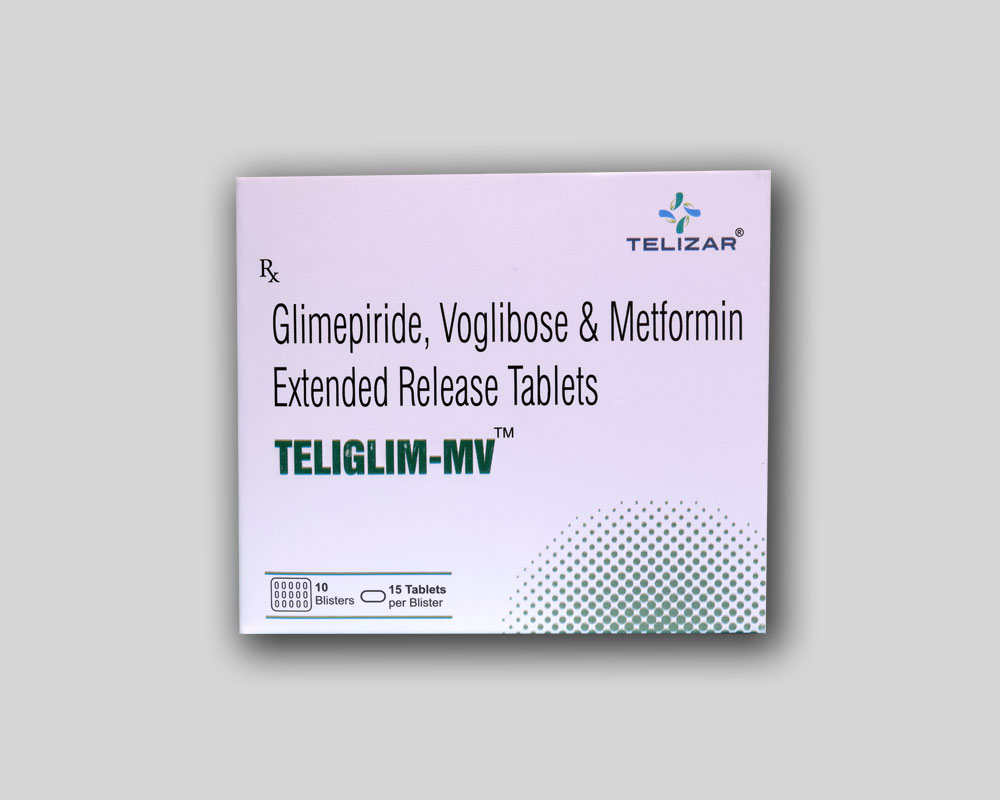
Teliglim-MV
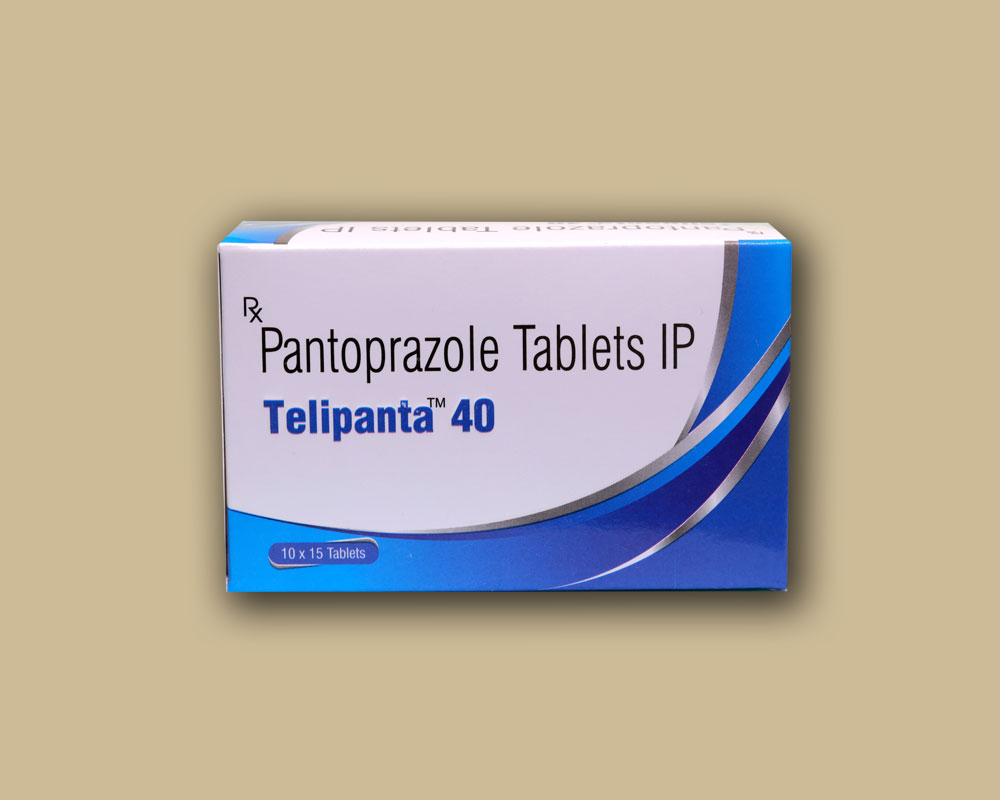
Telipanta 40
Get in touch with us.
We’d love to hear from you.
Wish to know more about us?
We’re constantly working to develop innovative healthcare products
Providing real goodness to patients and making a difference to their lives is of prime importance for us at Telizar Healthcare.